
Quick Answer:
The biggest disadvantage of a magnetic door lock is that it needs continuous power to stay locked. Most maglocks are fail-safe, so they unlock when power is lost. They can still be a good fit for commercial access control, but not for every door.
Why Is Power Loss a Disadvantage of Magnetic Locks?
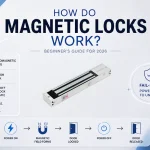
Magnetic locks need electricity to stay locked. If the power goes out, a fail-safe maglock releases the door.
That is useful when people need to get out during an emergency. But it can be a problem if you need an entrance to stay secure during a blackout. In that case, you may need backup power for the access-control system.
Take OUBAO’s OB500 Series. It runs on 12V or 24V and unlocks when the power is cut.
Do Magnetic Door Locks Need Extra Equipment?
Yes. The magnet is only one part of the setup. You may also need a power supply, controller, card reader, keypad, or another way to release the door.
A magnetic door lock with button release needs a button wired into the system. A magnetic door lock with remote control needs a compatible receiver or controller. With a magnetic door lock with key, the key usually operates an electrical switch instead of moving a traditional lock bolt.
A magnetic door lock kit can make things easier by giving you several of these parts together. You still need to check that everything works with your door.
Is Magnetic Door Lock Installation Difficult?
Magnetic door lock installation is usually straightforward, but getting the magnet and armature plate lined up correctly is important. They need to make proper contact when the door closes.
The hardware you need can change with the door. OUBAO’s OB500 Series, for example, is surface mounted and comes in single- and double-door versions for wood, glass, and metal doors.
So don’t choose a lock from its holding force alone. When comparing door locks magnetic lock options, check the mounting setup before you order. A 500 kg lock isn’t much help if it doesn’t fit the door you’re working with.
Can You Use a Magnetic Lock on an Exterior Door?
You can, but make sure the lock you order is made to withstand the conditions outside. A strong magnet, for instance, is not automatically secured against dust, rain, or extreme temperatures.
Keep this in mind as you search for front door locks magnetic lock products. Also, don’t rely on “heavy duty” and other similar terms and get in touch with the manufacturer to inquire about the outdoor suitability of that specific model.
A magnetic lock for interior door use is more straightforward, as the same weather considerations do not apply. You can use them in places like staff rooms, offices, and other indoor areas.
Can You Use a Magnetic Lock for a Hidden Compartment?
Yes, but you probably don’t want the same lock used on a commercial entrance. Cabinets and concealed spaces usually need something much smaller.
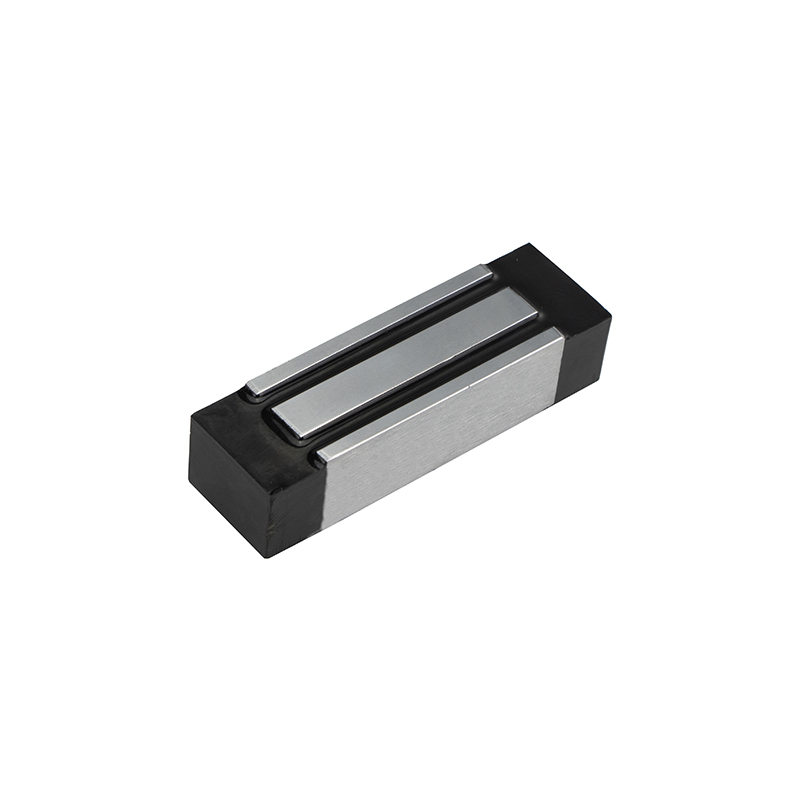
If you’re looking for a magnetic lock for hidden compartment use, look at compact electromagnetic locks instead. OUBAO, for example, makes smaller models for showcases, file cabinets, and display cabinets.
- ApplicationCabinet, display case & fixture
- Power Consumption100mA @ 12VDC
- CertificationsCE, FCC, RoHS, REACH
When Does a Magnetic Door Lock Still Make Sense?
Magnetic locks are ideal for scenarios where you want the door to unlock when power is lost. You can also use them with keypads, buttons, and readers present in commercial access-control systems.
The quality of the locks matters as well. OUBAO checks every lock for residual magnetism, ensuring the door releases properly when the power cuts off.
When comparing door locks magnetic lock systems, it helps to focus on what happens during a power outage. A fail-safe maglock may not be the best choice if the door has to remain locked without electricity. Meanwhile, the same can be a big advantage if safe release is the key priority in your project.