

A concealed door closer installation means routing a precise pocket into the door leaf or frame header using the manufacturer’s template, then lining up the hardware pivot exactly with the hinge. Get that alignment right and the hydraulic arm won’t bind once the door swings.
Clean architectural lines are a big reason designers reach for hidden hardware instead of surface-mounted closers. Once the mechanism sits inside the frame or door leaf, the door keeps its minimalist look while still meeting fire and latching code.
There’s no room for error here. Because the hardware disappears into the framing, a mistake is hard to fix once the cut is already made.
Before You Cut Anything
Hidden closers don’t forgive rushed cuts. Before touching a router to an expensive wood door leaf, pull up the manufacturer’s paperwork first.
If you download a concealed door closer installation pdf, it saves your crew from guessing at pocket depth. Cutting too deep can split a timber door or weaken a hollow metal frame.
Tape the physical template onto the door edge before marking anything. Then check your layout against a concealed door closer installation diagram if the manufacturer includes one.
The diagram catches layout errors the paper template alone can miss. Getting the pivot point off by even a couple of millimeters puts uneven strain on the arm.
That strain shows up later as leaking seals, and the closer fails months sooner than it should.
Matching the Closer to the Door Type
Not every concealed closer mounts the same way. It depends on the door style in front of you:
- Storefronts and aluminum-framed glass entries usually call for a concealed overhead transom door closer, which sits hidden inside the transom above the door and connects to the panel through a sliding arm.
- Standard flush interior wood doors work differently. A pocket gets routed into the top rail of the door leaf to house the concealed overhead door closer, with the track running through the header above it.
Either way, this is a job for real carpentry tools: chisels, a router jig, and a drill with enough power for the material.
If your crew hasn’t installed this hardware before, watch a door closer fitting video first. Setting the tension on the spring arm before locking it into the track is where people usually mess up.
Seeing it done once makes the actual door closer fitting go a lot smoother. Skip that step, and you’re looking at either a warped track or someone getting hurt on the job.
Fixing a Concealed Closer That Won’t Latch
Dealing with a concealed door closer not closing all the way is the most frustrating complaint installers hear after a hidden install. Three things usually cause it:
- Air pressure. Heavy HVAC pressure can push back against the door right as it nears the frame.
- Latch valve tension. The latch valve on a standard door closer hydraulic system might be set too tight, so the bolt can’t push past the strike plate.
- Hinge binding. The hinges may be binding because the mortise is cut slightly too shallow.
The fix for a latch problem is usually simple. Back the latch valve out a quarter turn counterclockwise.
That small change adds enough closing force over the last few degrees to push the latch home, without needing to redo the whole install.
Choosing Hardware That Won’t Fail Early
None of this prep matters much if the hardware itself is cheap. Low-tier closers tend to leak oil and fail early no matter how carefully they’re installed.
The OUBAO T96 concealed cam door closer is built for this kind of job. It keeps opening resistance low for kids and older adults while still latching hard enough to seal a fire door properly.
- Closing Force2-4
- Applicable Door Weight25 kg – 85 kg
- Applicable Door Width≤ 1100 mm
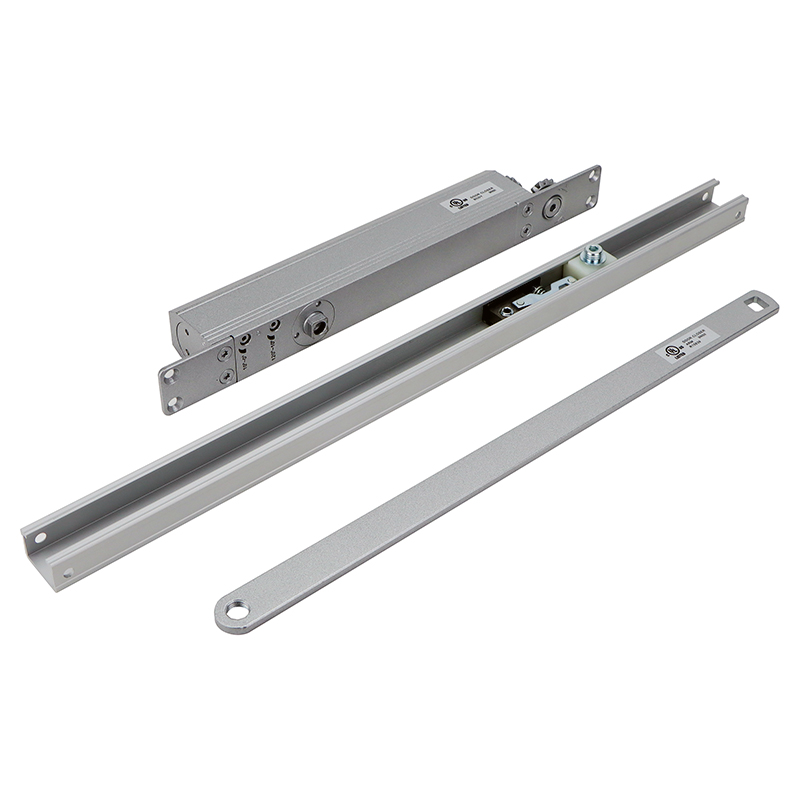
Picking a closer like this early in the design phase means fewer surprises during install. It also means the door keeps working smoothly once it’s in daily use.
Choose solid hardware and get the layout, alignment, and valve tuning right on day one. That’s what keeps a project finished instead of coming back for a callback.