


ANSI/BHMA A156.4 sets the performance standard for commercial door closers, covering cycle testing, durability, and force limits. Grade 1 closers are built for heavy commercial use, while Grade 2 fits lighter, low-traffic openings.
Grade 1 vs Grade 2: What Actually Changes
Most facility managers don’t care about the standard itself. They care about passing fire door inspections, avoiding ADA complaints, and not replacing the same closer every couple of years.
A156.4 is the shorthand inspectors and specifiers use to confirm the hardware on a door actually matches the demands of that opening.
| Attribute | Grade 1 | Grade 2 |
| Minimum cycle test | 2,000,000 cycles | 500,000 cycles |
| Typical use | Hospitals, schools, airports, retail entrances | Small offices, apartments, utility rooms |
| Valve adjustment | Sweep, latch, backcheck, delayed action | Sweep and latch, limited backcheck |
If a door sits on a fire-rated assembly, an ADA path of travel, or a heavy traffic entry, specify Grade 1. Grade 3 closers technically exist but rarely belong on a commercial opening.
Matching an ANSI Door Closer to the Opening
An ANSI door closer isn’t a single product, it’s any closer built and tested to meet A156.4’s requirements. The right spring size and arm style still depend on the specific door.
- Interior office doors. Size 2-3 spring, regular arm, slow sweep, ADA-compliant opening force.
- Exterior entrances. Size 4-6 spring, parallel arm, backcheck to protect hinges from wind.
- Fire-rated stairwells. Size 3-5 spring, parallel arm, must self-close and positive-latch from any open position.
- ADA accessible paths. Adjustable size 1-3 spring, verified with a force gauge, sweep of at least 5 seconds.
- Storefronts and vestibules. Delayed action helps carts and wheelchairs clear the opening.
What the Valves Actually Control
Every ANSI-rated closer regulates the door through the same basic valve set.
- Sweep. Controls closing speed from 90 degrees down to 12 degrees before the latch. Clockwise slows it down.
- Latch. Governs the final 12 degrees, making sure the door seats against the strike and gasketing.
- Backcheck. Cushions the door around 75 degrees so a hard opening doesn’t damage the hinges or the closer.
- Delayed action. Holds the door open briefly before the sweep phase begins, where equipped.
ADA Force Limits and Field Adjustment
The 2010 ADA Standards cap interior door opening force at 5 pounds. Most states allow up to 8.5 pounds on exterior doors.
Sweep time from 90 to 12 degrees needs to run at least 5 seconds. Fire doors are exempt from the 5-pound cap but still need to self-close and positive-latch every time.
Adjusting a closer in the field follows a set order:
- Set spring power first. Reduce tension until the measured force sits at or below the limit while the door still latches.
- Slow the sweep valve next. The door should take at least 5 seconds to close.
- Adjust the latch valve last. Increase speed only enough to guarantee positive latching.
- Document it. Record the measured force and sweep time, since inspectors will ask for it.
Fire Door Requirements Beyond A156.4
Closers on fire-rated openings carry requirements on top of standard A156.4 performance:
- UL 10C listing
- A reliable self-closing function from any open position
- The ability to keep working at the elevated temperatures a fire test produces
- No mechanical hold-open arms, unless tied to a smoke detector or alarm relay
- A legible label matching the door’s rating
Worth noting separately: ANSI/BHMA A156 5 covers locking cylinders and input devices, not closers. It’s a different standard entirely even though the numbering looks close.
Finding Manufacturer Documentation
Different closer brands document their hardware differently, and it’s worth knowing where to look before you’re standing at the door with the wrong instructions.
Most manufacturers ship an ANSI door closer manual with the unit, covering spring sizing, arm compatibility, and valve locations specific to that model. If you’re working on Dormakaba hardware, the Dormakaba door closer manual and DORMA door closer Catalogue are both available through their distributor network. Dormakaba door closer adjustment steps generally follow the same sweep, latch, backcheck order as any other Grade 1 unit, just with valve positions specific to that body style.
Older DORMA installations sometimes still run on whatever documentation shipped with the original unit. If you can track down a DORMA door closer manual PDF or the DORMA door closer adjustment instructions for that specific model, that saves a lot of guesswork in the field. A Dorma door closer 669G manual specifically covers that model’s spring range and mounting template if you’re servicing an existing install rather than replacing it outright.
Specifying Certified Architectural Hardware
For projects that need Grade 1 hardware without relying on legacy brands, a few OUBAO options cover most of the openings described above:
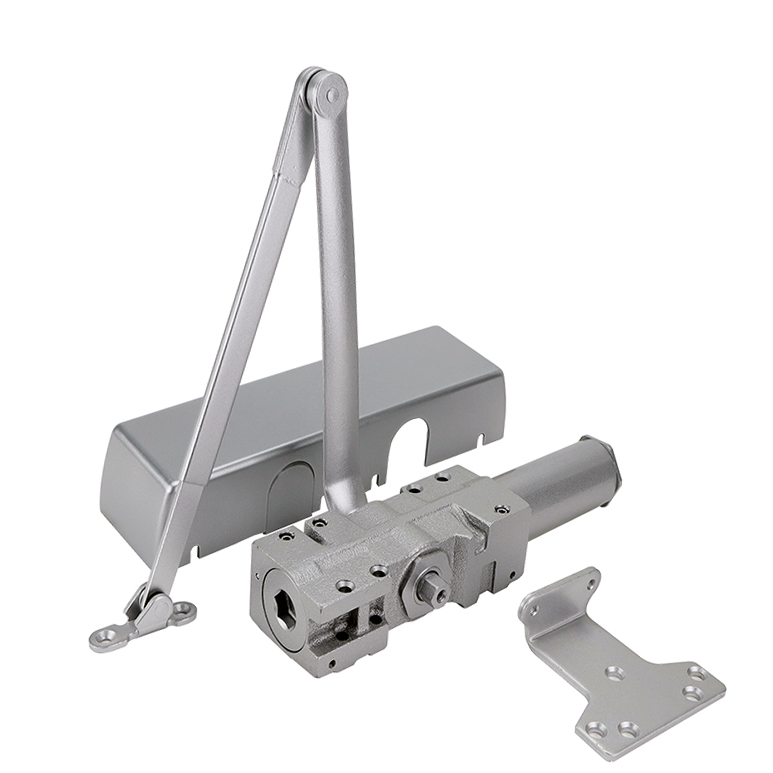
- OUBAO OB03 Heavy-Duty Cast Iron Door Closer. Built with a cast-iron cylinder rated well past the 2,000,000-cycle threshold, suited to high-traffic commercial entries.
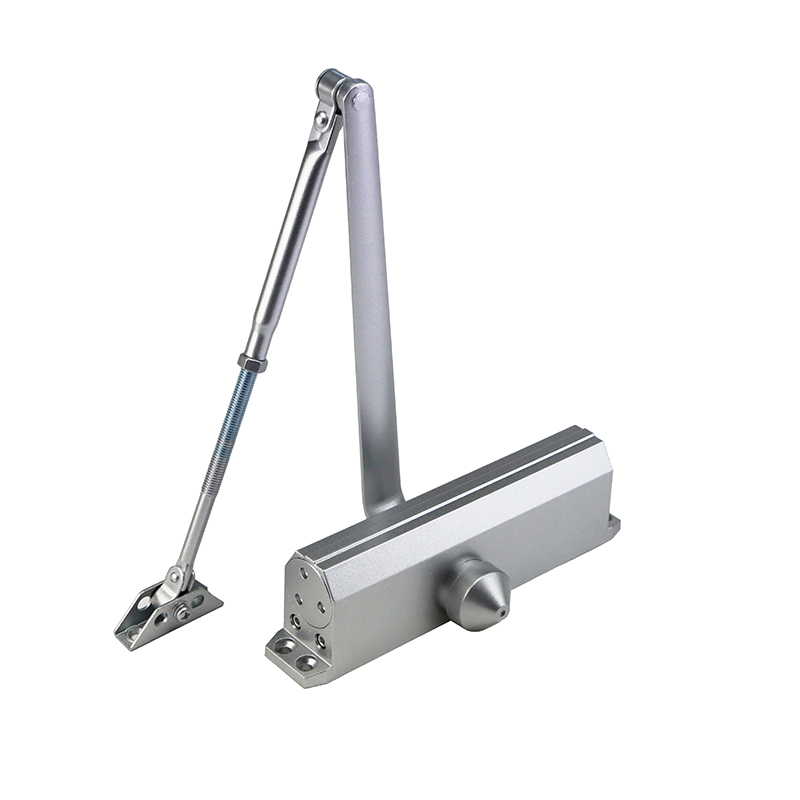
- OUBAO 5016 Series Classic Door Closer. Adjustable spring power from size 1 through 6, which covers most ADA barrier-free requirements without swapping hardware.
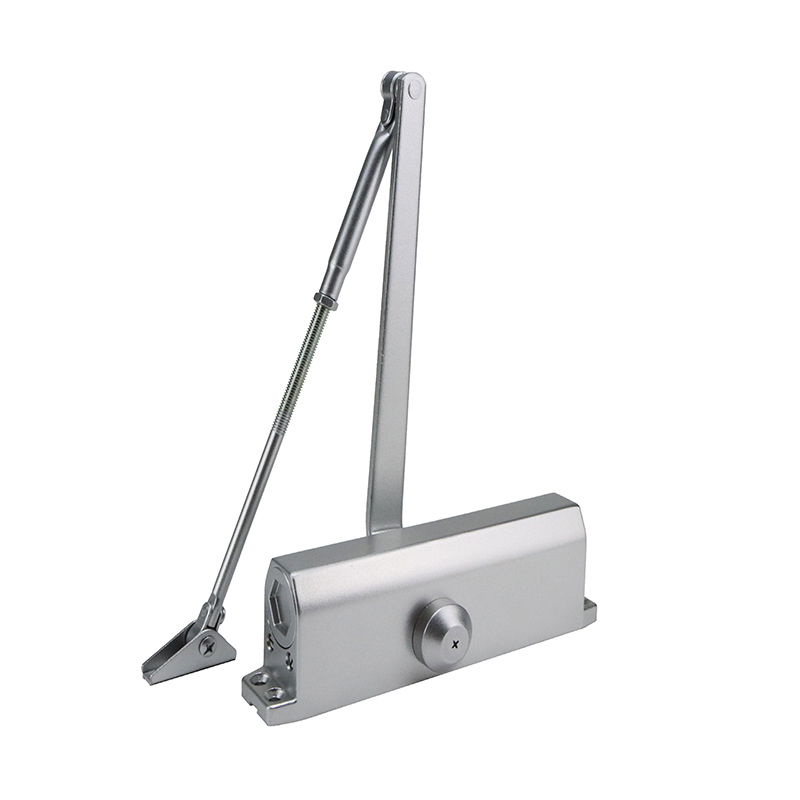
- OUBAO 5000 Series Classic Door Closer. Meets ANSI Grade 1 benchmarks with optional delayed action and built-in backcheck for entries that see heavy wind load.
Check the full OUBAO door closer collection for the complete certified lineup, or reach out to our team directly for help sizing a replacement.